Crayons, markers or paint? The best coloring supplies for toddlers
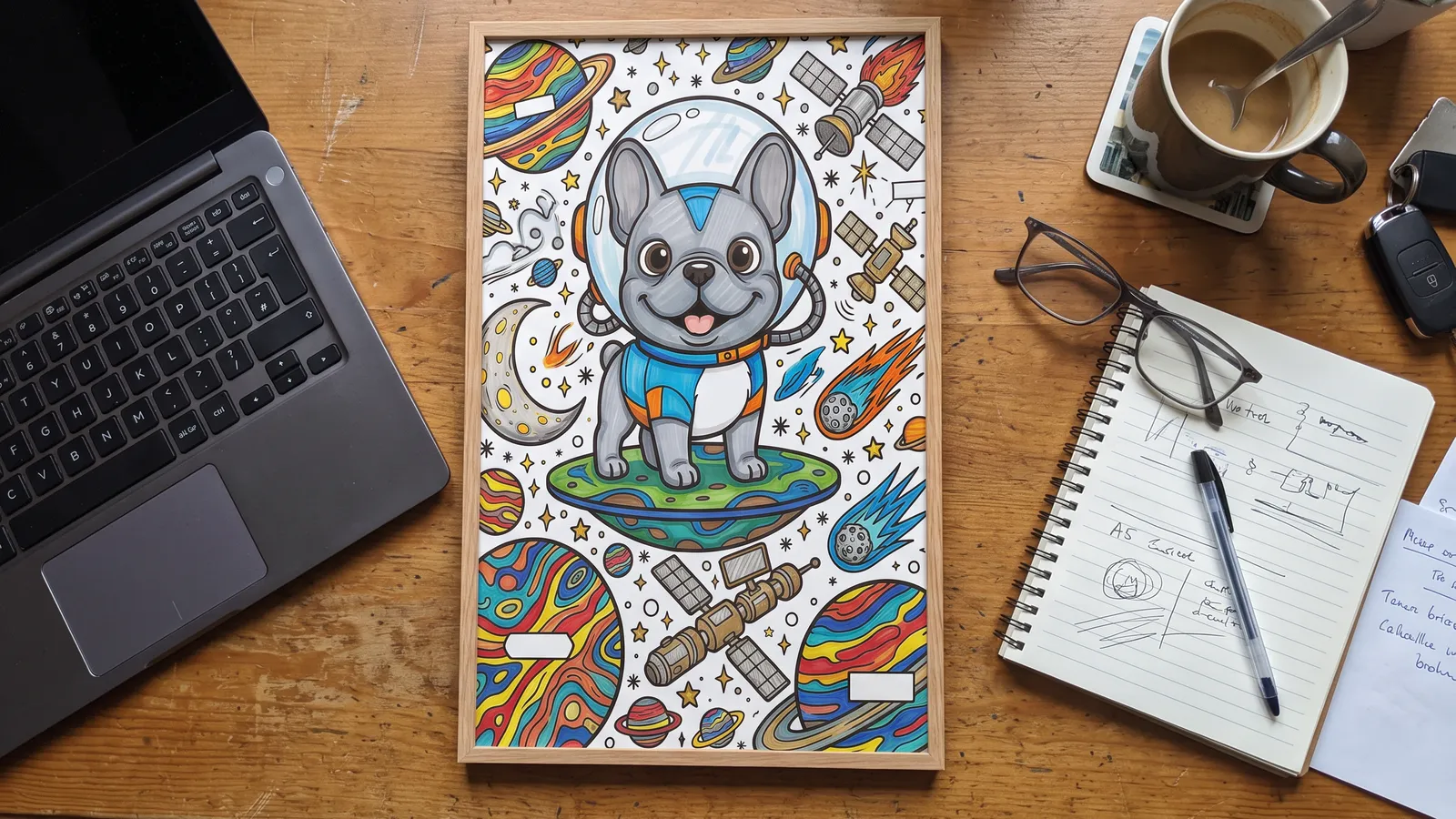
For most toddlers, a small set of thick crayons with a safety seal is the simplest place to start, with washable markers later on and only with you at the table. We have not tested any brand, so this is our practical judgment, plus safety points read directly from the AAP, the CPSC and the ACMI.
The drawer of 64 colors
You buy the big box because it seems generous. By Thursday there are crayon stubs under the sofa, a marker without a cap on the rug, and one blue line along the hallway wall. Your 2 year old looks delighted. You look for a sponge.
More supplies mean more to pick up, more choosing and more small pieces to find. A toddler does not need a shop. A few good tools at the table will do.
What to check first
The label. The American Academy of Pediatrics advises avoiding toys with toxic materials and making sure the label says “nontoxic”. The Art and Creative Materials Institute runs the AP Seal, which marks art materials certified in a toxicological evaluation by a board certified toxicologist. It says to look for that seal on creative products for kids in sixth grade or younger, and never to give those children a product with its CL Seal. Note that the seal is a safety check on the materials, not a promise about how they color.
Small pieces. The AAP says young children can choke on small objects within reach, that toddlers are among those at highest risk, and that all toys and parts should be larger than your child’s mouth. Pen caps are on its list of items to keep away from young children. It does not name marker caps, but we treat them the same way.
Crayons are a special case. The CPSC bans small parts in products for children under 3, but excludes writing materials such as crayons, chalk, pencils and pens. So do not read a crayon box as if it had passed that rule. Our habit: throw away stubs that could fit in the mouth.
If something is swallowed. The ACMI says that with any exposure it is advisable to consult a doctor, urgent care or an emergency provider. Call your pediatrician or local poison service if you are unsure.
Tool by tool
These are our suggestions, not test results:
- Thick crayons: a good first tool. Fewer colors make choosing easier.
- Washable markers: bright and rewarding with little pressure. Keep caps with you. They can also go through the paper.
- Colored pencils: better later. The CDC lists a finger grip at age 4, and many pencils suit that grip more than a fist.
- Finger paint: the CDC’s 2 year page suggests crayons or finger paint, so it is a fair option for children who want to get messy.
To match tools with pages, see how to choose a book by age, and for the bigger picture, when kids start coloring.
When the wall gets colored
The psychiatrist Daniel Siegel and the psychotherapist Tina Bryson are clear that connecting is not being permissive. What is off limits stays off limits, you may need to stop the behavior first, and the talk comes later. Their image is a lifeguard: reach the child, then get to shore, and only then say not to swim so far.
We apply it this way: take the marker calmly and say “walls are not for drawing.” Get down to their level, offer the paper, and talk about it once everybody has settled.
Start with one page
Before buying anything, print a free Mariano page and put out three crayons. Then ask your child: “Which color does the cow want today?”